


How to Test Your Heating System Before You Really Need It
Updated: Apr 27
Prevent surprises and chilly nights with this simple fall checklist

It might still be sunny outside, but cooler weather is just around the corner—and the last thing you want is to discover your furnace isn’t working on the first freezing night of the season.
At Grille Mechanical, we always recommend testing your heating system before you truly need it. That way, if there’s a problem, you have time to fix it before it turns into an emergency (or a cold and uncomfortable home).
Here’s a step-by-step guide to safely test your heating system this fall—and get it ready for the months ahead.
Step 1: Check Your Thermostat Settings
Start with the basics. Switch your thermostat from cooling to heating mode and set the temperature a few degrees higher than the current indoor temperature. Wait a few minutes to see if:
The heat kicks on
The system starts blowing warm air
You hear the blower motor running
Tip: If nothing happens, check your thermostat batteries and settings. If still no luck, it could be an electrical issue or faulty thermostat wiring.
Step 2: Listen for Strange Noises
When the system first turns on, it's normal to hear the blower or burner engage—but be on the lookout (or listen!) for unusual sounds such as:
Banging or popping – could signal dirty burners or expanding ductwork
Squealing – might indicate a worn-out belt or motor bearing
Grinding – often a sign of motor trouble
Any of these noises? Turn off the system and give us a call before further damage occurs.
Step 3: Feel the Airflow and Temperature
Place your hand near one of the supply vents. The air should be warm and steady, not lukewarm or barely moving.
Inconsistent airflow or cold spots might point to:
Dirty filters
Ductwork issues
Blocked vents
Failing blower components
Step 4: Smell for Odors
A faint burning smell is common the first time the heat runs—it’s usually just dust burning off the heat exchanger. But:
A strong, lingering burning smell
A musty odor
A rotten egg smell (which could indicate a gas leak)
…are all red flags. If you detect any of these, turn off your system immediately and call a professional.
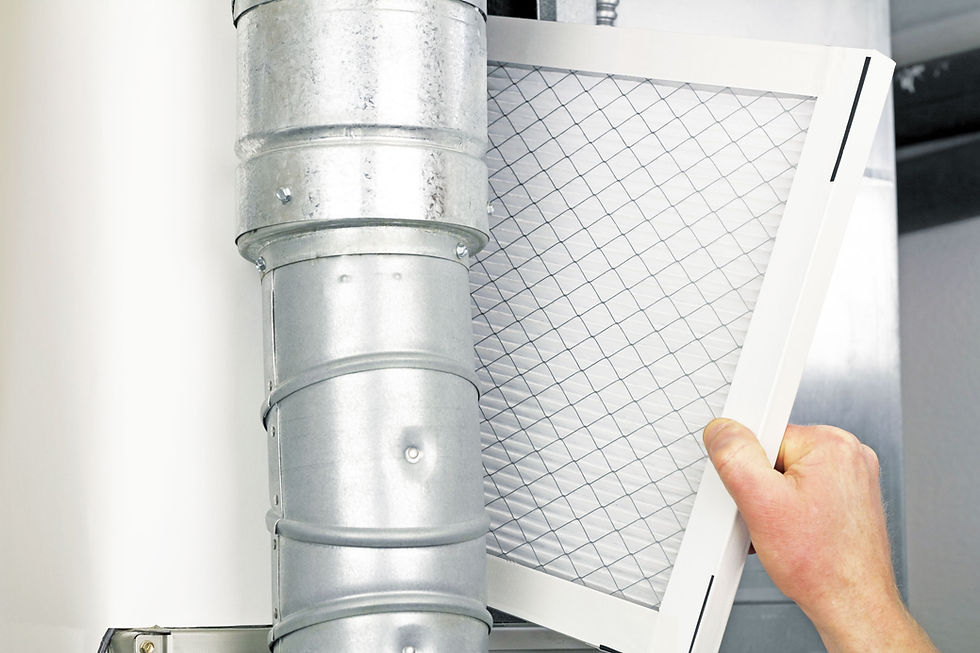
Step 5: Check Your Furnace Filter
A clogged air filter can reduce airflow, strain your system, and affect indoor air quality. If you haven’t replaced it recently, now’s the time.
📦 Pro Tip: Keep a few filters on hand and set a reminder to change them every 1–3 months throughout the heating season.
Step 6: Schedule a Professional Tune-Up
Even if everything seems to be working, nothing beats a trained HVAC technician giving your system a thorough check. During a fall preventative maintenance appointment, Grille Mechanical will:
Inspect and clean burners, heat exchangers, and blower motors
Check for carbon monoxide leaks
Test safety controls and thermostat accuracy
Ensure your system is running at peak efficiency
Why This Matters
Testing your heat early:
Helps prevent mid-season breakdowns
Ensures your family stays warm and safe
Could help lower your energy bills all winter long
Gives you time to take advantage of rebates or financing if an upgrade is needed
Stay Warm and Worry-Free This Fall
Don’t wait until it’s 30°F outside to find out your heat doesn’t work. Whether you need a quick checkup, a full tune-up, or a system upgrade, Grille Mechanical has your back.
📞 Call us today to schedule your fall furnace inspection🌐 Book your service online📍 Proudly serving New Jersey and Florida homeowners with expert HVAC care


Comments