


Spring Allergies at the Jersey Shore? How Your HVAC System Can Help
Updated: Apr 24

Everyone looks forward to those perfect summer days at the Jersey Shore, open windows, ocean breezes, and warm weather. But before we get there, homeowners across Monmouth County and Ocean County have to get through one thing first: spring allergy season.
As trees and flowers begin to bloom, pollen levels rise quickly. While you can’t control the air outside, your HVAC system plays a huge role in the air inside your home. With the right air filters and proper maintenance, your heating and cooling system can help reduce many of the allergens circulating indoors. There are also additional options to improve your air quality even more.
How Your HVAC System Affects Spring Allergies
Your HVAC system constantly circulates air throughout your home. If the system is clean and properly maintained, it can help capture airborne particles before they spread.
However, if filters are dirty or airflow is restricted, your HVAC system may actually circulate allergens instead of removing them.
Common indoor allergens include:
Pollen
Dust and dust mites
Pet dander
Mold spores
For homes near the Jersey Shore, pollen from trees and coastal vegetation can easily enter the home through doors, windows, and clothing. Once inside, these particles can circulate through your HVAC system multiple times per day.
Best Air Filters for Allergy
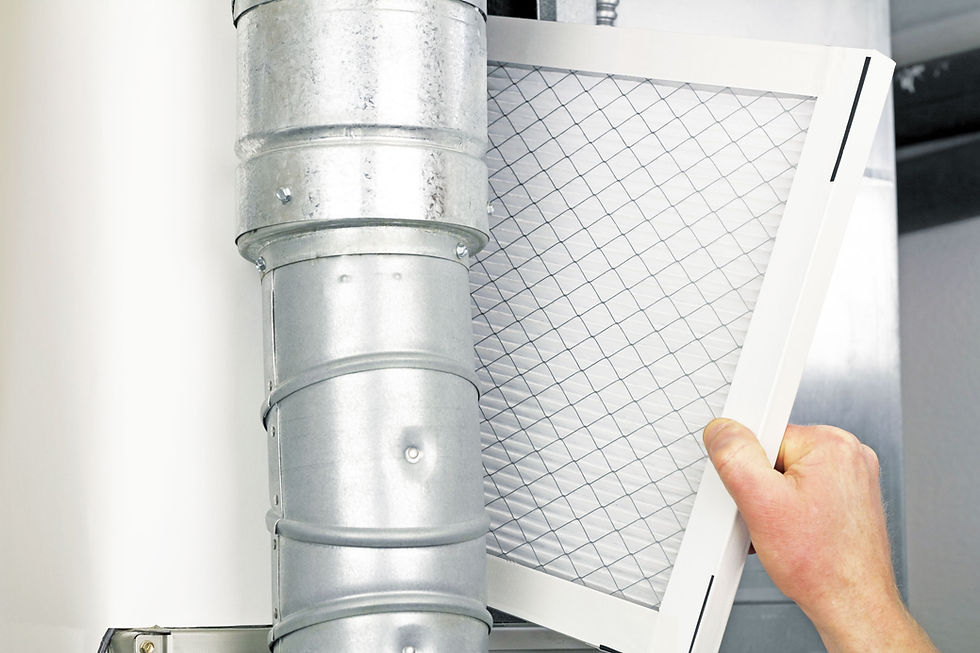
One of the easiest ways to improve indoor air quality during allergy season is upgrading your HVAC air filter.
Filters are rated using something called MERV (Minimum Efficiency Reporting Value). The higher the MERV rating, the smaller the particles the filter can capture.
Here’s a quick guide:
MERV 1–4
Basic filters that capture large dust particles but allow smaller allergens to pass through.
MERV 5–8
Standard residential filters that capture dust, pollen, and some mold spores.
MERV 9–12
Great for homes with allergy sufferers. These filters capture pollen, pet dander, and smaller airborne particles.
MERV 13+
High-efficiency filtration that captures very small particles like bacteria and smoke. Not all HVAC systems are designed to handle filters this dense, so check with a professional before upgrading.
For most homes, MERV 8–11 filters offer the best balance of filtration and airflow.
When to Change Your HVAC Air Filter
Changing your air filter regularly is one of the most important steps for maintaining indoor air quality.
General recommendations:
Every 30–60 days during peak allergy season
Every 90 days under normal conditions
Every 20–45 days if you have pets or severe allergies
A clogged filter forces your HVAC system to work harder, which can increase energy costs and reduce airflow.
Signs it’s time to replace your filter include:
Visible dust buildup on the filter
Increased allergy symptoms indoors
Reduced airflow from vents
Higher energy bills
Setting a reminder on your phone or replacing filters at the beginning of each season can help keep your system running efficiently.
Additional HVAC Tips to Reduce Allergies
While air filters are important, there are several other steps homeowners can take to reduce allergens indoors.
Routine maintenance ensures your system is clean and running efficiently.
Clean supply and return vents
Dust can collect around vents and reenter the air.
Keep humidity levels balanced
Indoor humidity should stay between 30–50% to discourage mold and dust mites.
Consider an air purifier or UV air treatment
These add-ons can further improve indoor air quality for sensitive households.
For even more allergy protection, consider these indoor air quality systems and maintenance
HRV Systems- A Heat Recovery Ventilation system, from fantech, is a ventilation system that improves indoor air quality by bringing fresh outside air into your home, while pushing out the stale air.
Reme Halo lights- is a home air purification system that is installed inside your HVAC system, using PHI technology that reduces contaminants like, viruses, mold, bacteria and odors to clean the air inside your home.
Air Scrubbers- uses HEPA filter and sometimes UV light to trap partials.
Humidifiers- Adds moisture to dry air in winter, weighing down allergens so they settle on surfaces and are easier to clean. There are a few different humidifier types. Ask your HVAC technician which option would be best for your system, as the size, age and construction of your home and system need to be taken into account.
o Bypass humidifiers- installed directly on the furnace, letting the furnace blower push air through a water-soaked pad.
o Fan-powered Humidifiers- they also use the water-soaked pad, but includes an internal fan to push air through, allowing them to work even if the furnace in not on.
o Steam humidifiers- electrode technology to boil water, injecting steam into your duct work
Dehumidifiers- removing moisture in the summer, keeping dust mites, mold and mildew in check.
Smart Thermostats- Lets you control the humidity levels, air quality levels, fan only modes & sends you reminders for a filter change, right from your phone.
Proper Bathroom Exhaust- maintain healthier indoor air quality by removing excess moisture and humidity, eliminating allergens such as dust mites, mold and mildew.
Duct work cleaning- Although we do not provide this service, we are happy to give you a referral for a reputable company who provides this service.
Get Your HVAC System Ready for Summer
Spring allergies can make the season uncomfortable, but your HVAC system can help protect the air inside your home. By choosing the right air filter, replacing it regularly, and keeping your system properly maintained, you can significantly reduce airborne allergens and create a healthier indoor environment.
If you haven’t scheduled your spring HVAC maintenance yet, now that the weather is getting warmer, it's the perfect time. A professional inspection ensures your system is ready for the warmer months ahead while helping keep the air in your home clean and comfortable.
If you’re noticing increased allergy symptoms at home, your HVAC system may need attention.
A spring HVAC tune-up can help improve airflow, clean system components, and ensure your air filters are working properly.
📞 Call (855) 474-4822 today to schedule your free in-home consultation
📍 Serving New Jersey and Florida homeowners with expert HVAC solutions


Comments